Are wipes safe for septic tanks?
No. Wet wipes, including ones labelled flushable, don't break down in a septic tank and are one of the things NZ councils specifically ask septic owners to keep out. They build up in the tank, block hoses and outlets, and add to the cost of pumping it out. The safe approach is to flush only pee, poo and toilet paper, and put every wipe in the bin.
What NZ councils tell septic owners
Waitomo District Council's flyer for properties with onsite wastewater tanks in Piopio puts it plainly. The tanks cannot accept harmful products or items, and fats, oils, greases and objects such as sanitary items, nappies and some kinds of wipes reduce the efficiency of the system, leading to blockages, slow draining toilets and other plumbing issues. Disposable wet wipes are on its list of things that belong in the rubbish bin.
The same flyer deals with the flushable label directly. It says the label on some products may say flushable, but disposable wipes and other products clog sewer pipes and damage pumps and wastewater systems, and that these problems are expensive to fix.
Councils with sewer networks give the same advice for the same reason. Watercare, Tauranga City Council and Whakatāne District Council all ask households to flush only the three Ps, pee, poo and toilet paper.
What wipes do inside a septic tank
A septic tank holds wastewater long enough for solids to settle and for natural bacteria to break down organic matter, before the liquid moves on to a disposal field. Toilet paper is made to fall apart quickly in water, so it breaks up and settles with everything else.
Wipes are made to stay strong when wet, and many contain plastic fibres such as polyester or polypropylene, so they don't break down in the tank. They collect as a mat in the tank, snag on fittings and outlet filters, and have to be pumped and screened out.
Waiheke shows what that looks like at scale. In 2020, Waiheke Gulf News reported that two tonnes of disposable wipes sucked out of island septic tanks had been shipped to an Auckland landfill. The island's accredited wastewater operator said the wipes block the hoses and have to be sieved out at its screening plant, and that removing them adds drying, packaging, trucking, landfill and barge costs.
What can go into a septic system
Waitomo's flyer lists the only things that should be flushed, tipped or drained into the system as human waste, toilet paper, mild detergent, and wash, dish and bath water. Everything else belongs in the bin.
It also warns that harsh chemicals flushed or drained from the house will negatively affect the biological agents in the tank, and suggests using non-hazardous cleaning products inside the home. Your own council or septic servicer may have more specific rules for your system, so check with them if you are unsure.
- Flush: pee, poo and toilet paper.
- Bin: wet wipes of every kind, nappies, sanitary products, cotton buds, dental floss and hair.
- Keep out of drains: fats, oils and grease, and harsh chemicals such as chlorine bleach.
- Ask your servicer: anything specific to your tank, such as outlet filters or treatment units.
Do flushable wipes count?
Not unless you can be sure they meet the standard. In May 2022 a joint Australian and New Zealand standard, AS/NZS 5328:2022 Flushable products, was released. Watercare says products have to pass six tests and attest that they contain no plastic before they can carry the approved flushable symbol, and its advice is that if a product doesn't have the symbol, don't flush it.
Most wipes on the shelf don't carry it. When Consumer NZ tested 11 wipes sold as flushable, all of them stayed intact apart from the occasional small tear, while toilet paper started breaking down within minutes. On a septic system, where you pay for the pump-out yourself, binning wipes is the cheaper habit. Our flushable wipes NZ guide covers the testing in more detail.
Keeping wipes out without giving up the clean feeling
If wipes are part of your household routine, a lidded bin next to every toilet is the simplest fix. It makes the right thing the easy thing, especially for visitors who are used to a town sewer.
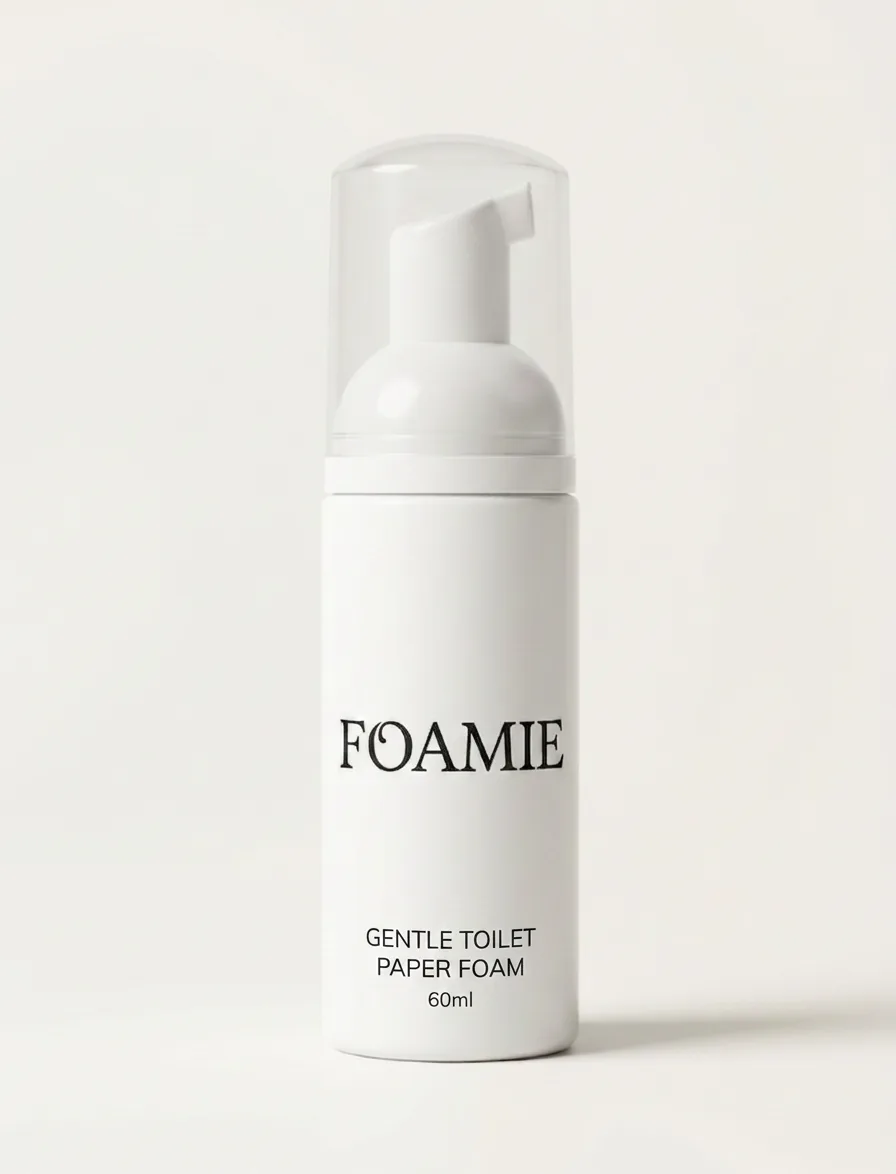
The other route is to replace the wipe altogether. A toilet paper foam goes onto ordinary dry toilet paper, so what you flush is ordinary toilet paper. With Foamie Gentle Toilet Paper Foam you fold three or four sheets, press the pump once and give the foam about two seconds to soak in. A 60 ml bottle is NZ$19.95 and gives roughly 400 pumps, which is about 5 cents a use. A bidet is another way to get a water clean while flushing only paper. As always, follow your tank owner's or council's guidance for what goes into your system.
Foamie is sent from Auckland by NZ Post. Rural delivery addresses are $8.99 with an estimated two to four business days, and delivery is free nationwide on orders over $25. The product page has a sign-up to hear when stock is back if it has sold out.
Questions people ask
Can I flush toilet paper into a septic tank? +
Yes. Toilet paper is on the list of things Waitomo District Council says can go into an onsite system, along with human waste, mild detergent and wash water.
Are biodegradable wipes OK for a septic tank? +
Biodegradable doesn't mean they break down quickly in water. Wipes are designed to hold together when wet, and councils ask septic owners to bin all disposable wipes.
What happens if wipes get into my septic tank? +
They tend to build up rather than break down, which can lead to blockages, slow draining toilets and more frequent or more expensive pump-outs. Your septic servicer can check the tank and outlet filter.
Who fixes a septic blockage on my property? +
It depends on who owns and manages the system. For a private septic tank it is usually the property owner. Waitomo's flyer for Piopio says plumbing issues inside the home are the resident's responsibility and need a plumber, while an alarm from the onsite tank should be reported to the council.
Sources
- Waitomo District Council: don't use your toilet as a rubbish bin (Piopio onsite tank flyer)
- Waiheke Gulf News: wet wipe woes for island septics (1 Oct 2020)
- Whakatāne District Council: island of wet wipes clogs Edgecumbe ponds
- Watercare: new flushable standard aimed at protecting our pipes
- Supermarket News: Consumer NZ test of 11 flushable wipes
- Tauranga City Council: save our pipes from wipes