Can you flush baby wipes?
No. Baby wipes are made to stay strong when wet, so they don't break down in pipes the way toilet paper does, and NZ utilities ask parents to put them in the rubbish bin. The only wipes designed to be flushed are those that pass the AS/NZS 5328 flushable standard and carry its symbol. For everything else, the bin is the right place, and a lidded bin within arm's reach of the change table and the toilet makes that easy.
Why baby wipes don't flush
A baby wipe has to survive being soaked in liquid in the packet and then being used firmly on a wriggling baby without tearing. That strength is the problem once it reaches a pipe. Toilet paper is made to fall apart quickly in water, and a wipe is made not to.
Testing bears this out. When Consumer NZ put 11 wipes sold as flushable through a device designed to mimic a wastewater system, all of them stayed intact apart from the occasional small tear, while toilet paper started breaking down within minutes. Ordinary baby wipes, which are not even sold as flushable, aren't designed to do any better.
Many wipes also contain plastic fibres. Whakatāne District Council notes that although wipes appear to be made of cotton, most consist of polypropylene or polyester and stick around for a very long time. Our guide to what wet wipes are made of explains the materials.
Baby wipes are a big share of all wipes
Baby wipes aren't a niche product. A Scottish Government impact assessment for its ban on wet wipes containing plastic says baby wipes make up 60% of the UK consumer wet wipe market.
The same assessment notes that wet wipes are not currently required to state their plastic content on the packaging, and that only a quarter of the products reviewed for it said whether they contained plastic. It estimated that somewhere between 25% and 50% of wet wipes contain plastic. That is UK data rather than New Zealand data, but many of the same kinds of products are sold here, and it shows why the pack alone often won't tell you what a wipe is made of.
What happens when they are flushed
Flushed wipes catch on rough joins and tree roots in pipes, bind with fats and oils, and clog pumps. Watercare says it spends about $5.5 million a year in Auckland cleaning up wastewater overflows caused by these types of blockages, and Water New Zealand has estimated that wipes and other non-flushables cost at least $16 million a year in cleared blockages nationally.
Closer to home, a blockage in your own pipes is your bill. Tauranga City Council notes that blockages in private pipes are the cost of the property owner or landlord. If you are on a septic tank, wipes also build up in the tank itself, which our septic tank guide covers.
What about wipes labelled flushable?
Flushable on the pack is not the same as tested. Since May 2022 there has been a joint Australian and New Zealand standard, AS/NZS 5328:2022 Flushable products. Watercare says products have to pass six tests and attest that they contain no plastic to carry the approved flushable symbol.
Watercare's advice is simple: look for the symbol, and if it doesn't have it, don't flush it. If you are not sure, the bin is always safe. Our flushable wipes NZ guide goes into the standard and the testing.
A simple disposal routine for parents
The trick is to make binning quicker than flushing. A few small changes do most of the work.
- Fold used wipes into the dirty nappy and bin them together.
- Keep a lidded nappy bin or a bin with a liner next to the change table.
- Put a small lidded bin beside every toilet in the house, which is what Queenstown Lakes District Council recommends for anything that isn't pee, poo or paper.
- When toilet training, teach the three Ps early: only pee, poo and toilet paper go in the loo.
- Ask visitors and babysitters to use the bin too, especially if they are used to flushing wipes at home.
Alternatives to flushing baby wipes
Some parents cut back on disposable wipes altogether. Tauranga City Council suggests a reusable option, such as a flannel and warm water, as a way to save money and reduce landfill waste. Soft reusable cloths can be washed with cloth nappies or a hot towel wash.
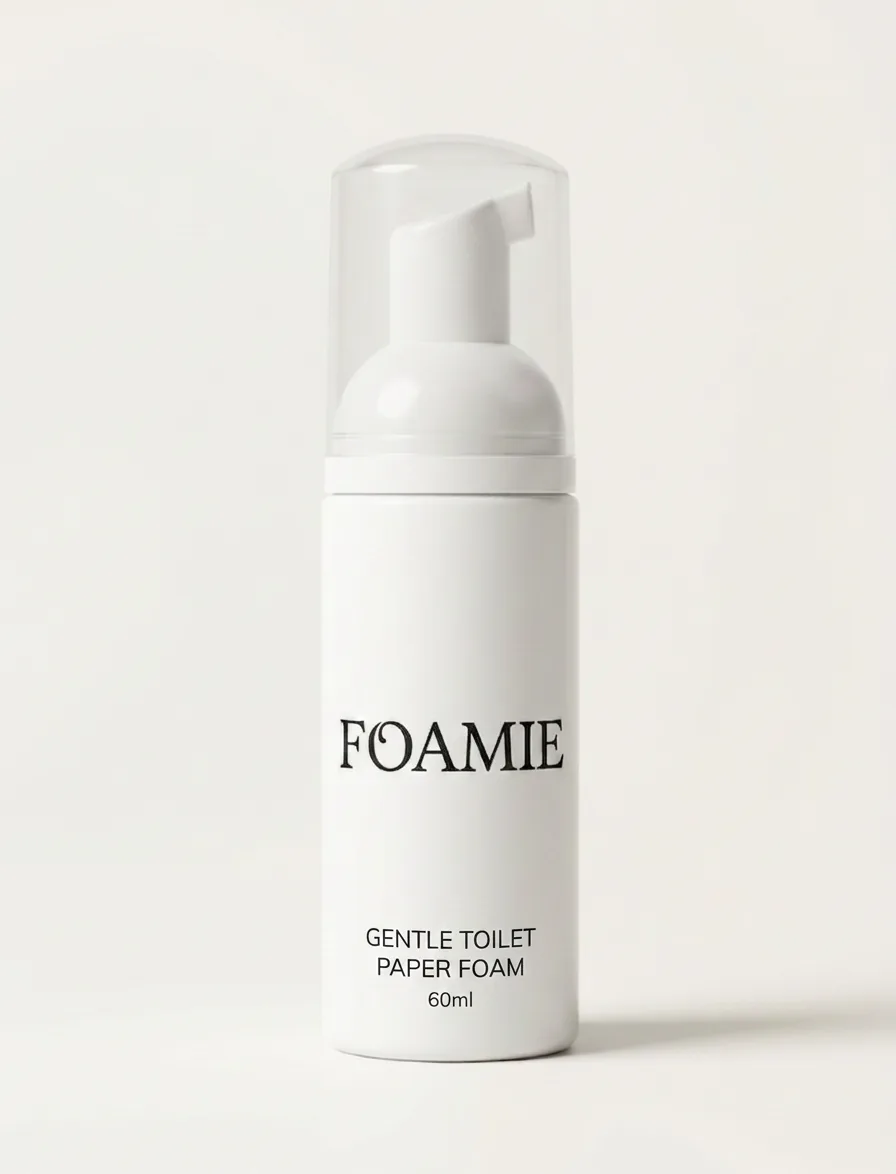
For older children and adults using the toilet, another option is a toilet paper foam, which goes onto ordinary dry toilet paper so that what you flush is just toilet paper. Foamie Gentle Toilet Paper Foam is one of these: fold three or four sheets, press the pump once and wait about two seconds for it to soak in. A 60 ml bottle is NZ$19.95 and gives roughly 400 pumps. Whatever you use on a child, follow the label directions, and ask your midwife, Plunket nurse or GP if you are unsure about a product. Our toilet training guide has more on getting kids into the habit.
Questions people ask
Is it OK to flush just one baby wipe? +
It is still best not to. A single wipe doesn't break down like toilet paper, and blockages tend to build up from many single wipes catching on the same rough spot in a pipe.
Are biodegradable baby wipes flushable? +
Not necessarily. Biodegradable describes what happens over time in the right conditions, not how quickly a wipe breaks up in a pipe. Unless the pack carries the AS/NZS 5328 flushable symbol, put it in the bin.
Can baby wipes go in the recycling? +
No. Used wipes are soiled general waste. They go in the rubbish bin, usually wrapped in the nappy.
How do I know if a baby wipe contains plastic? +
Often you can't tell from the pack, because plastic content doesn't have to be listed. Fibres such as polyester or polypropylene on the label mean plastic. If nothing is listed, assume it may contain some.
Sources
- Supermarket News: Consumer NZ test of 11 flushable wipes
- Whakatāne District Council: island of wet wipes clogs Edgecumbe ponds
- Scottish Government: ban on the supply and sale of wet wipes containing plastic, final business and regulatory impact assessment
- Watercare: new flushable standard aimed at protecting our pipes
- 1News: Water New Zealand says blockages cost $16 million per year (8 Apr 2019)
- Tauranga City Council: save our pipes from wipes
- 1News: stop flushing your wet wipes, Queenstown Lakes District Council says (15 Mar 2020)