Alternatives to wet wipes that don't block the loo
The best alternative to wet wipes for most people is a toilet paper foam or spray, because it gives you a damp clean while you only flush ordinary toilet paper. A bidet or bidet seat is the other strong option if you can install one, and reusable cloths work well for nappy changes and hands. Here is how each option compares, so you can pick the one that fits your bathroom and budget.
Why look for an alternative at all
Wet wipes do a good job in the hand and a bad job in the pipes. They are made to stay strong when wet, so they don't break up the way toilet paper does. When Consumer NZ tested 11 wipes sold as flushable, all of them stayed intact apart from the occasional small tear, while toilet paper started breaking down within minutes.
That is why Watercare, Tauranga City Council and other NZ utilities ask people to flush only pee, poo and toilet paper, and to bin every wipe. Binning works, but it means a bin of used wipes in the bathroom and more in landfill. The options below avoid that.
1. Toilet paper foam or spray
A toilet paper foam is a mild cleansing foam you pump onto folded dry toilet paper. It soaks in within a couple of seconds and turns the paper into a soft, damp wipe that you flush as normal paper. Sprays do the same thing with a mist instead of a foam.
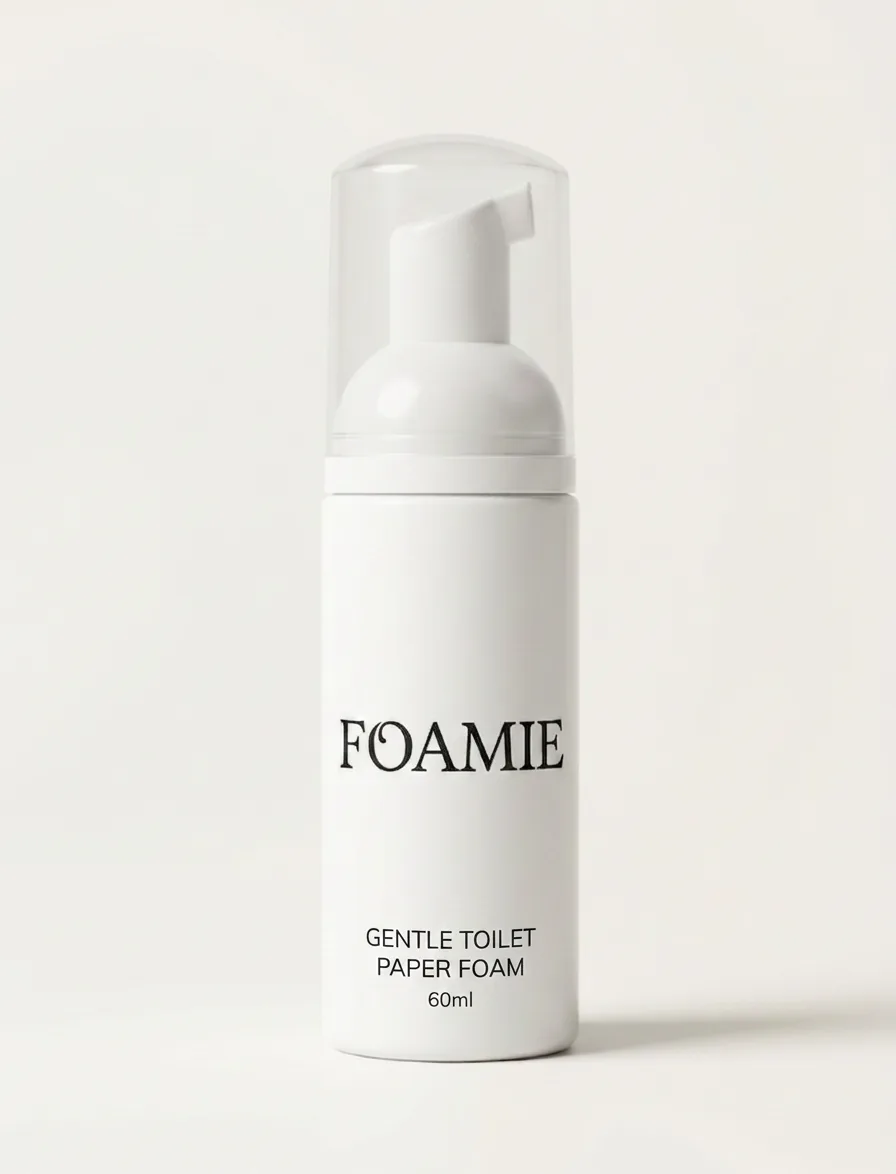
It is the closest thing to a wet wipe in how it feels and how you use it, and it needs no installation. A 60 ml bottle of Foamie Gentle Toilet Paper Foam gives roughly 400 pumps, about 90 days for one adult, at NZ$19.95. That is about 5 cents a use, on top of the toilet paper you already buy.
Best for: anyone who likes wet wipes and wants to keep the routine, renters, shared bathrooms, and toilet training.
2. A bidet seat or bidet attachment
A bidet seat replaces your toilet seat and washes with a jet of water. A simpler attachment sits under the existing seat. Both use water rather than paper to clean, and you then pat dry with a little toilet paper.
The catch is installation. Seats with heated water need a power point near the toilet, and any bidet needs a connection to the cold water supply. In a rental you will need the landlord's permission. Our bidet vs toilet paper foam guide goes through the trade-offs in detail.
Best for: homeowners who want the most thorough clean and are happy to install something.
3. A handheld bidet or rinse bottle
A handheld bidet sprayer plumbs into the cistern supply and hangs beside the toilet. A rinse bottle, sometimes called a peri bottle, is a squeeze bottle you fill with warm water, often used after childbirth. Both rinse with water and are followed by drying with paper.
They are cheap and they work, but they take a bit of practice and can be messy at first. A rinse bottle is also easy to take travelling.
Best for: people who want water washing without buying a full bidet seat.
4. Reusable cloths and flannels
Tauranga City Council suggests a reusable option, such as a flannel and warm water, as a way to save money and cut landfill waste. Plenty of parents use soft reusable cloths for nappy changes and wiping hands and faces, then wash them hot with the nappies.
Cloths never go in the toilet, and they need a lidded container and a regular wash. That suits some households and not others.
Best for: nappy changes at home, sticky hands and faces, and people who already wash cloth nappies.
5. Wipes, but always in the bin
If you want to keep using wet wipes, the fix is to bin every one. Queenstown Lakes District Council's advice is to keep a small bin next to the toilet for anything that isn't one of the three Ps. A bin with a lid and a liner makes this easier to stick to.
Only wipes that pass the AS/NZS 5328:2022 flushable standard and carry its symbol are designed to be flushed. Watercare's rule is that if it doesn't have the symbol, don't flush it. Our flushable wipes NZ guide explains the standard.
How to choose
Start with what you actually use wipes for. If it is mainly the toilet, a foam is the smallest change to your routine and a bidet is the biggest. If it is mainly nappy changes and sticky hands, reusable cloths or a foam on paper both work, and you can mix them. If cost is the deciding factor, our wet wipes cost per year guide puts the numbers side by side.
Whatever you choose, keep washing your hands with soap and water after using the toilet. None of these replace that. If you want to try a foam, Foamie Gentle Toilet Paper Foam is on the product page, where you can also sign up to hear when stock is back.
Questions people ask
What is the closest thing to a wet wipe that you can flush? +
Toilet paper with a foam or spray on it. It feels similar to a wet wipe, but what you flush is ordinary toilet paper, which breaks down in water the way a wipe doesn't.
Can I just wet toilet paper with water? +
You can, but plain wet paper tends to go soggy and tear. Foams usually include a humectant such as glycerine and are applied in a small measured amount, which keeps the paper soft and in one piece.
Are biodegradable wipes a good alternative? +
Biodegradable is not the same as flushable. A wipe can break down slowly in landfill or compost and still hold together in a sewer pipe. Unless it carries the AS/NZS 5328 flushable symbol, it belongs in the bin.
What is the cheapest alternative to wet wipes? +
Reusable cloths cost the least to buy, though they need washing. Among disposable options, a toilet paper foam at about 5 cents a use is usually cheaper than wipes. Our cost per year guide shows the maths.